The Dordogne Valley: An Extraordinary Journey
This journey can only be truly extraordinary if you know how to bring together all the treasures of our beautiful Dordogne Valley.
A generous helping of history, both the great events and the little stories, a breath of fresh air from the Causses du Quercy, a touch of Corrèze's refreshing charm, and the warm ochre tones of the stone buildings of the Sarlat region.
To all this, I'll add plenty of opportunities to meet the local people who bring this region to life.
One thing to remember: here, we take our time, share experiences and savour every moment!
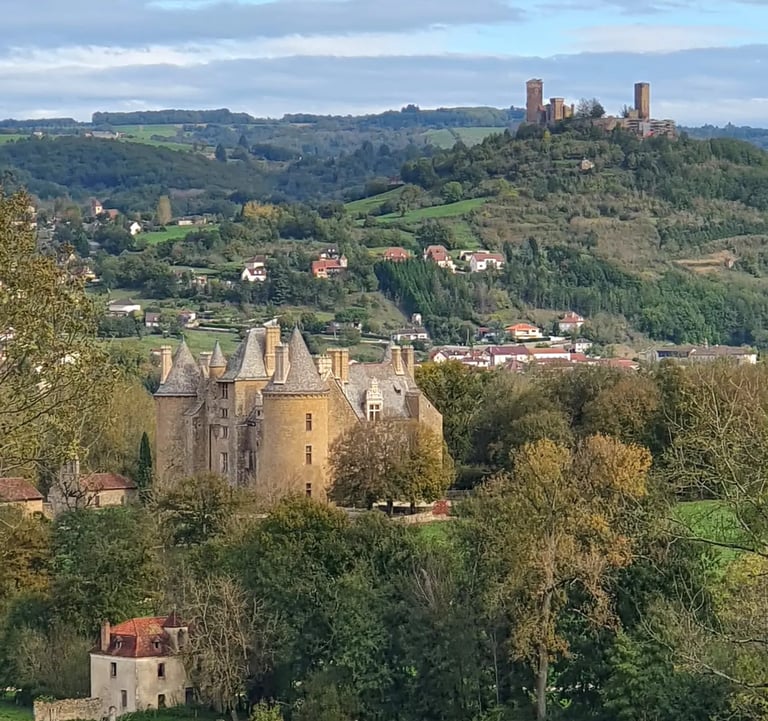


Remarkable Cultural Heritage
Charming Villages Full of Character
Landscapes and Natural Wonders
Que découvrir dans la vallée de la Dordogne ?
Every era has left its mark on the Dordogne Valley. Medieval fortresses, pilgrimage sanctuaries, prehistoric caves adorned with paintings and Renaissance residences tell the story of the people and landscapes that have shaped this region.
I'll help you discover the connections between these remarkable heritage sites and understand what they still reveal to us today.
Authentic villages where life moves at a slower pace. Stone buildings, landscapes and architectural details all have stories to tell, and I'll help you discover and understand their meaning.
Cliffs, rivers and forests create a landscape of striking contrasts. I'll help you understand how nature and the passage of time have shaped this remarkable region.
Traditional Architecture and Unspoilt Nature
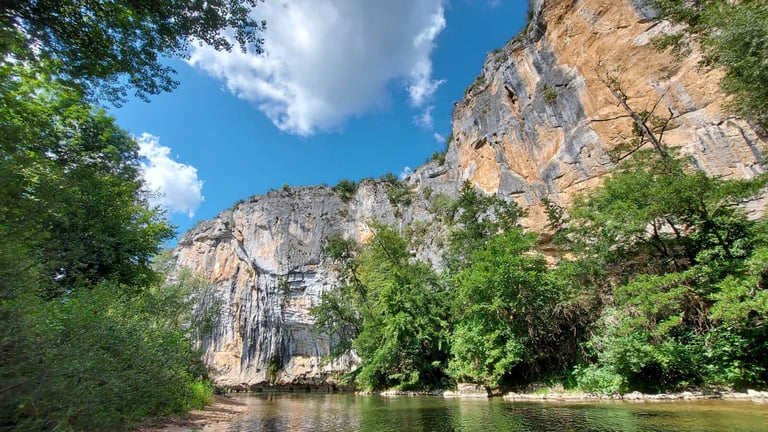
The Dordogne Valley
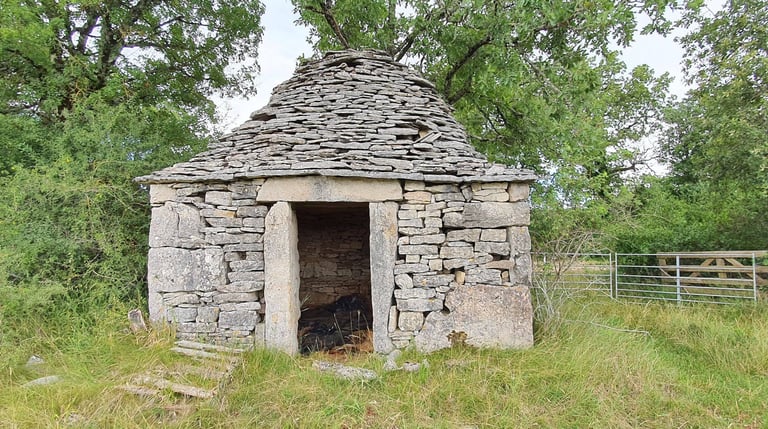
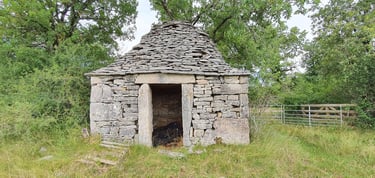
The "Causse"
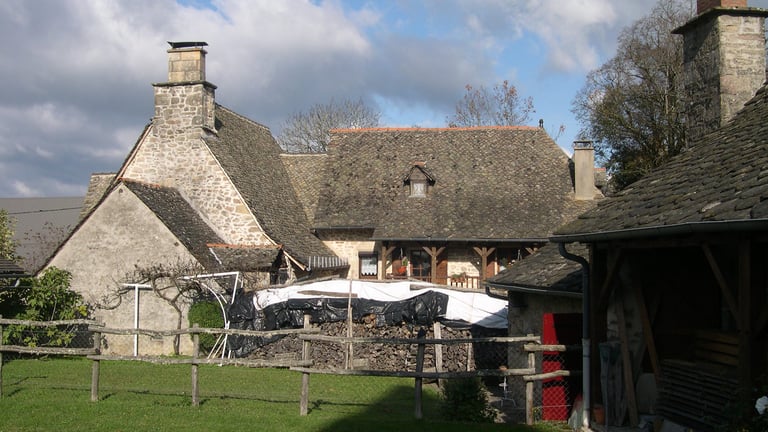
The "Ségala"
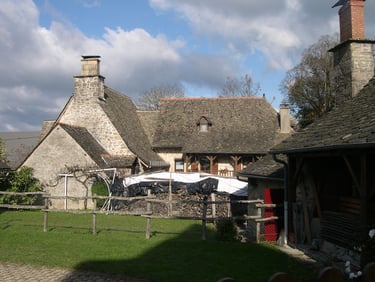
In the Dordogne Valley, fertile land and the river have encouraged farming, the development of watermills and the growth of villages with traditional flat-tiled roofs. Along the riverbanks, the architecture reflects a prosperous agricultural past.
On the Causses, the limestone plateaus are drier, yet they are home to remarkable biodiversity, protected by the Causses du Quercy Regional Natural Park, which is also recognised as a UNESCO Global Geopark. Here, dry-stone walls and traditional limestone roofing tell the story of a landscape shaped by both nature and human activity.
In the Ségala, greener hills, forests and a wetter climate signal the approach of the Massif Central. Chestnut trees, schist rock and lush meadows reveal the transition between these contrasting landscapes.
Frequently Asked Questions About Exploring the Dordogne Valley
How many days do you need to explore the Dordogne Valley?
Three to five days will give you a wonderful introduction to the region, including its major attractions, picturesque villages and geological wonders.
For a more in-depth experience, a week allows you to slow down, explore our beautiful walking trails, enjoy guided tours and immerse yourself in local history and traditions.
What is the best time of year to visit the Dordogne Valley?
Spring and autumn are ideal for a quieter visit, with beautiful light and colours that highlight the region's natural beauty.
Summer is livelier, with numerous festivals and longer opening hours at many attractions, but it is also the busiest season.
In winter, the atmosphere is more peaceful and intimate, although some attractions are closed or operate reduced opening hours.
What are the most beautiful villages to visit in the Dordogne Valley?
It's difficult to choose, as each village has its own distinctive history and architecture!
Autoire is known for its dramatic limestone valley, the Château des Anglais and its waterfall. Loubressac stands high above the Dordogne Valley, while Collonges-la-Rouge is instantly recognisable for its striking red sandstone buildings.
The historic monastic villages of Beaulieu-sur-Dordogne and Carennac also enjoy beautiful settings along the banks of the Dordogne River.
What are the must-see historic monuments in the Dordogne Valley?
Among the region's most remarkable historic sites are the pilgrimage town of Rocamadour, the medieval fortress of Castelnau-Bretenoux, and the Renaissance Château de Montal, built for Jeanne de Balsac beginning in 1519.
But visiting these monuments is about more than admiring their architecture. Understanding the major historical events of their time and the connections between these places brings their stories to life.
Why are there so many castles in the Dordogne Valley?
This is a question I'm often asked, and you'll quickly understand why when you explore the region!
During the Middle Ages, the Dordogne Valley was a strategically important area, influenced by powerful feudal territories such as the Viscounty of Turenne and the Barony of Castelnau-Bretenoux, as well as competing kingdoms.
The Dordogne River was also a major trading route, with traditional flat-bottomed boats known as gabares transporting goods along its waters.
This explains the concentration of fortresses built to watch over, defend and control these territories. Their traces can still be seen in the landscape today.
Where can you find the best panoramic views of the Dordogne Valley?
Some of the most spectacular views can be enjoyed from hilltop villages, natural viewpoints along limestone cliffs and scenic hiking trails.
The areas around Autoire and Loubressac, as well as the cliffs overlooking the Dordogne River, offer particularly beautiful panoramas.
For the full experience, explore the valley from different perspectives: from above, beside the river and during different seasons.
What activities offer a different way to explore the Dordogne Valley?
Hiking is a wonderful way to experience the region's different natural environments, sometimes discovering several villages along a single route.
Electric bikes make it easier to tackle the hills, which may not be particularly high but can be numerous along the same itinerary.
Canoeing on the Dordogne River offers a completely different perspective on the cliffs and castles. Some stretches of the river are particularly well suited to family outings.
The key is to choose an activity that matches your pace, interests and the time of year.
How can you plan an itinerary combining Rocamadour, villages and historic sites?
Start your morning in Rocamadour, where the early light beautifully illuminates the village. Arriving before 10 a.m. can also allow you to enjoy a quieter atmosphere.
In the afternoon, explore nearby villages such as Carennac, Loubressac and Autoire.
Try combining visits to historic monuments with a local market or an outdoor activity, such as a hike, so that everyone can enjoy the day.
And with a licensed tour guide, your itinerary can become much more than a series of stops: the places you visit are connected through their shared history.
Which prehistoric sites can you visit in and around the Dordogne Valley?
The Dordogne Valley and its surrounding areas are home to remarkable prehistoric caves and archaeological sites, including Lascaux, Pech Merle and Cougnac.
Some caves can be visited, while others are closed to protect their fragile prehistoric artwork.
Reproductions such as Lascaux IV, museums and guided visits with a knowledgeable licensed tour guide offer fascinating opportunities to understand prehistoric cave art while helping preserve the original masterpieces.